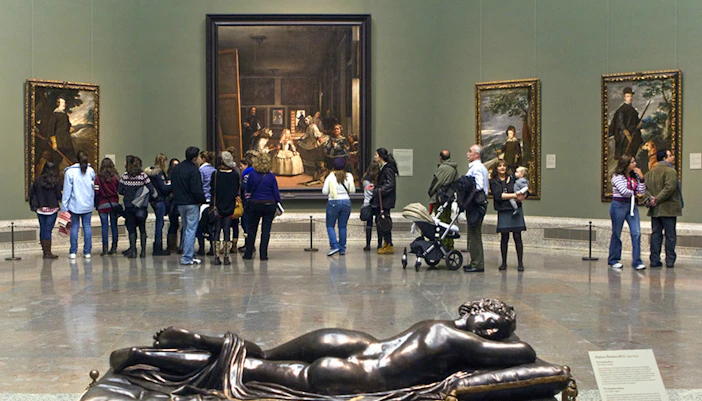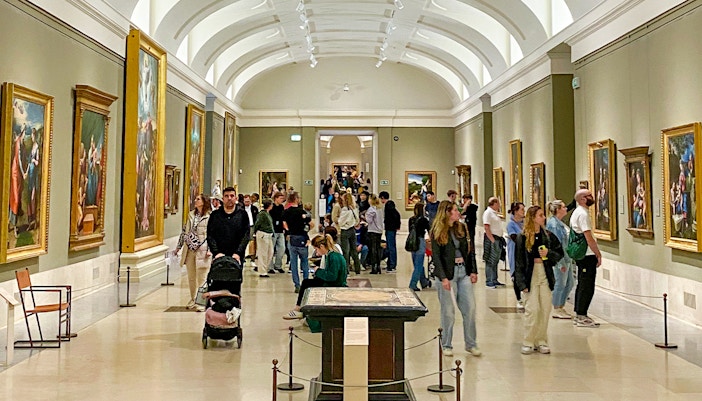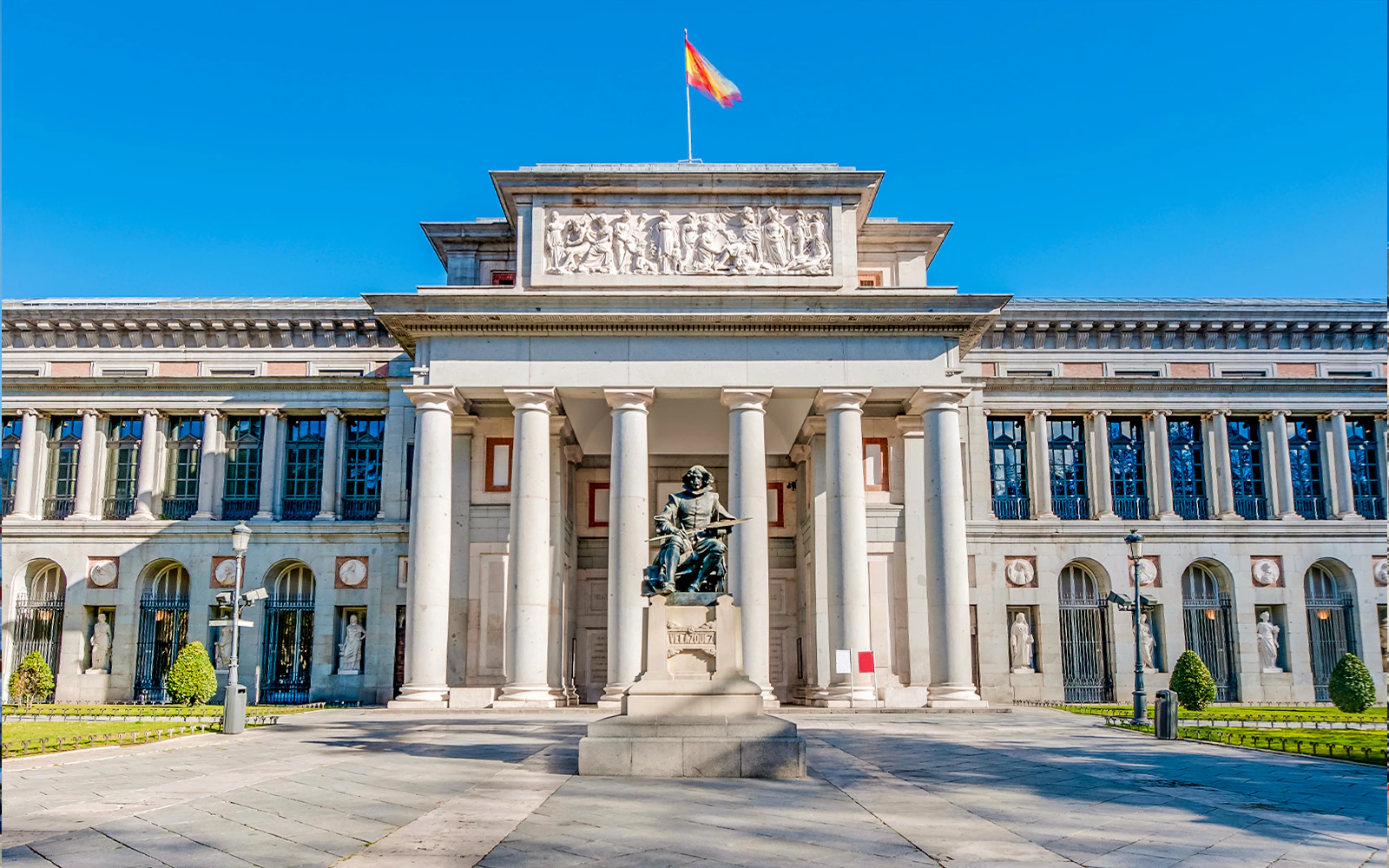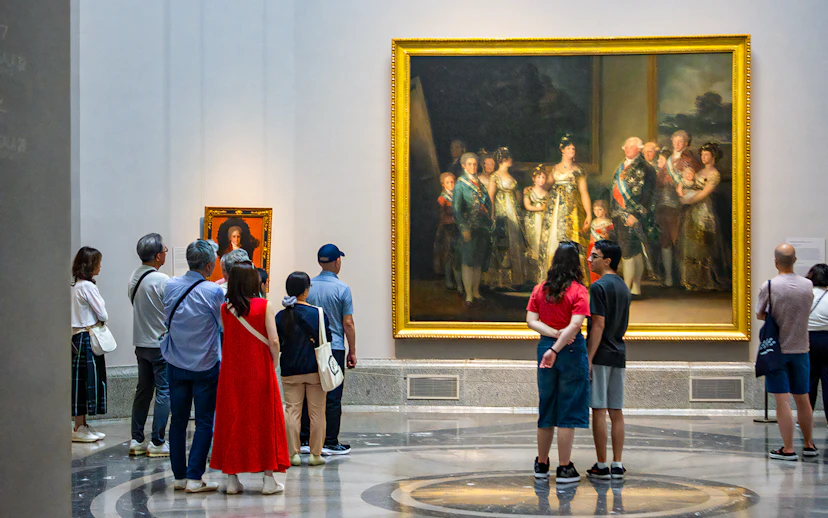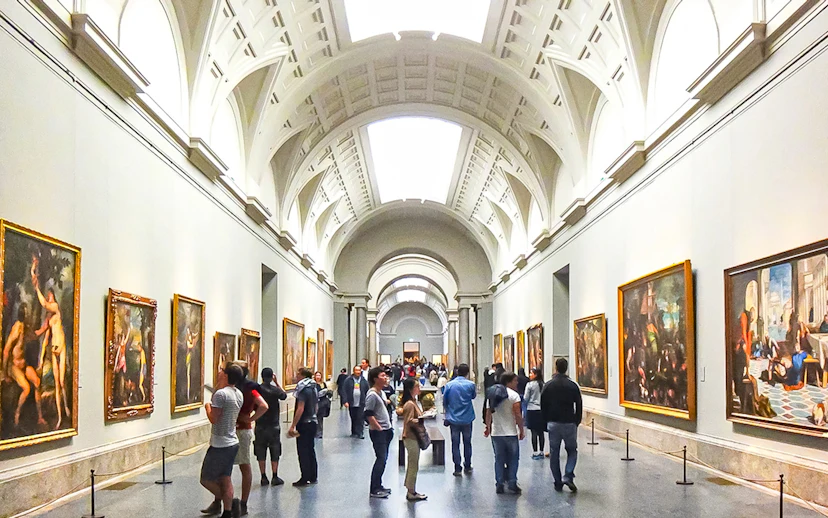





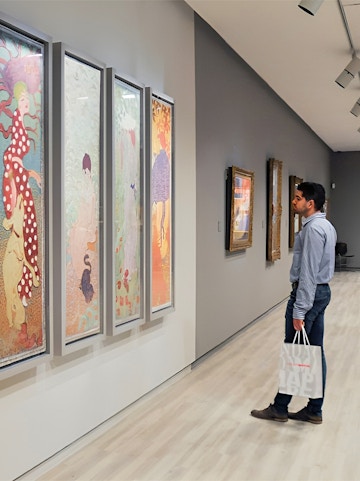


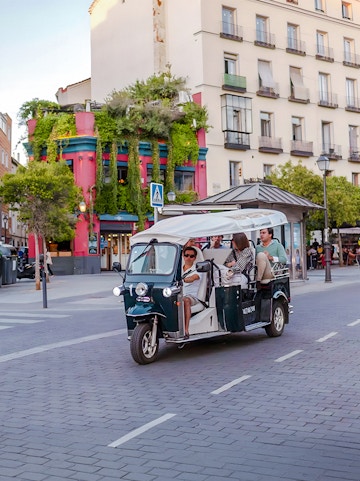
Aim for the first entry slot on a weekday or the last 90 minutes of the day. You’ll have more room to step back and compare paintings across the room. Avoid late morning if you want quieter viewing.
Goya's Black Paintings
Included with Prado Museum tickets
Timings
RECOMMENDED DURATION
2 hours

Top things to do in Madrid
Quick overview
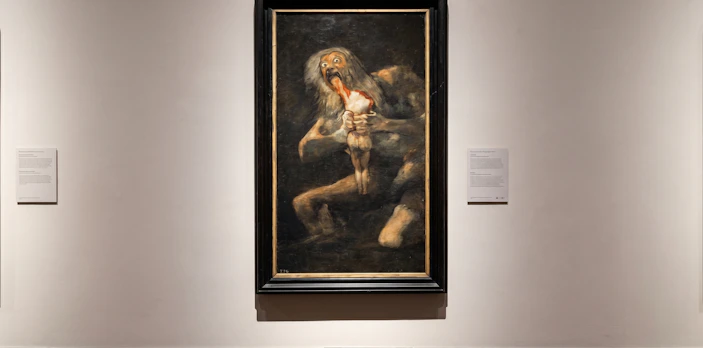
- Access: Included in all Prado Museum tickets
- Separate ticket: Not required
- When you’ll see it: Midway on most Prado highlights routes, though you can head there directly once inside
- Visit duration: 20–30 minutes self-guided/30–40 minutes with a guide
- Best time: First entry slot on a weekday, or the last 90 minutes of the day, for more space to stand back
- Restrictions: No photography. Food and drinks are not allowed in the galleries

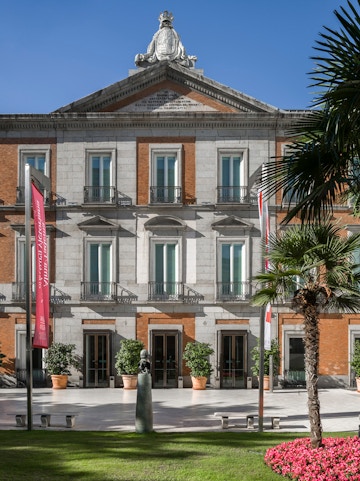
Goya’s Black Paintings are included with all Prado Museum tickets. No separate ticket is needed. They hang in the museum’s Goya rooms on the ground-floor Spanish painting circuit, though you can head there directly once you’re inside instead of following the full highlights route. Book a timed-entry ticket with an audio guide or a guided tour if you want context for Goya’s late work without losing time in the larger collection.
How to best experience Goya's Black Paintings
Best time to visit
How long to spend
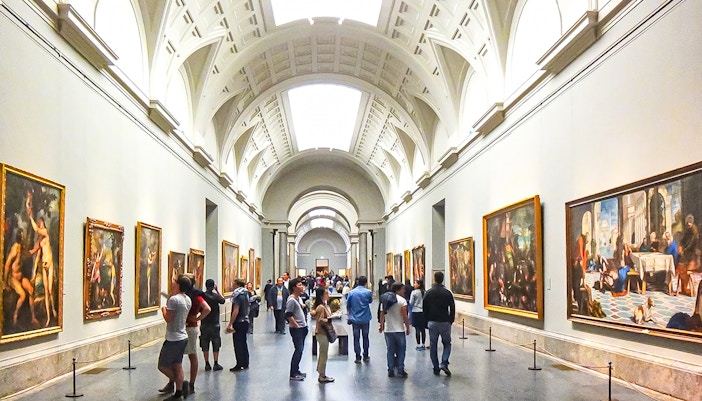
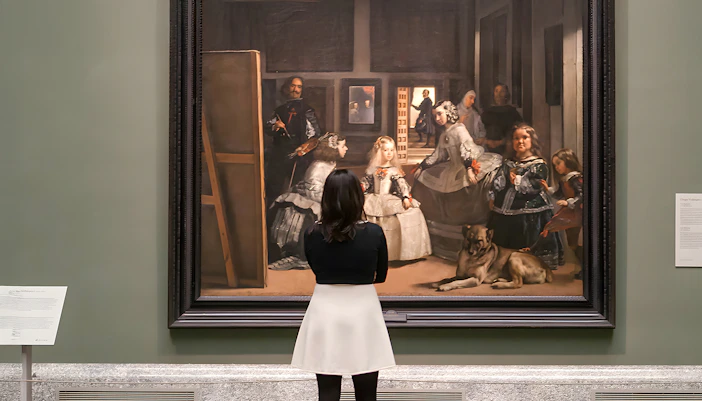
Give these rooms 20–30 minutes on your own, or 30–40 minutes with an audio guide or guide. That’s enough time to notice relationships between works, not just the shock of the most famous canvas. If you rush, the quieter paintings flatten.

Where it fits in your itinerary
Treat this as a deliberate stop, not a leftover room near the end of your Prado visit. You can go there directly after entry, or place it after earlier Goya works for stronger contrast. Don’t leave it until museum fatigue sets in.

Crowd patterns
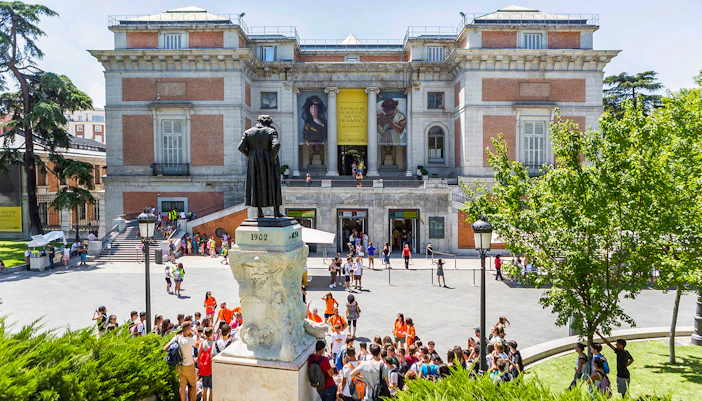
Crowds build from late morning through early afternoon, when school groups and general highlights traffic overlap. The rooms usually stay manageable, but tight sightlines make it harder to stand back properly. If space matters, skip the 11am–2pm window.

What to prioritize if time is short
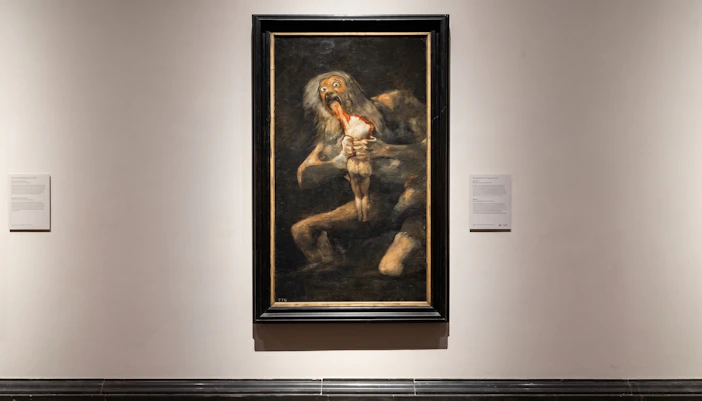
Start with Saturn Devouring His Son, The Dog, and Fight with Cudgels. Those three works show violence, emptiness, and instability in completely different ways. Stand back first, then move closer for brushwork, or you’ll miss how the compositions function.

Common mistakes to avoid
Most visitors stop at the best-known painting, react, and move on. Instead, read the room as a set of late works made to live together. Don’t rely only on labels; compare the dark grounds, distorted figures, and abrupt empty space.
Best tickets to experience Goya's Black Paintings
| Ticket type | Why choose it |
|---|---|
Timed entry | Best if you want straight access and full freedom to head directly to the Goya rooms. |
Audio guide ticket | Best if you want flexible pacing and commentary in 13 languages while lingering independently. |
Guided tour | Best if you want Goya connected to Velázquez and the Prado’s bigger Spanish masters story. |
Why it’s worth seeing
Nothing else in the Prado feels this private. These paintings were made for the walls of Goya’s own house, not for a church, court, or public audience, which is why the mood lands so directly when you stand in front of them. The room rewards slow looking more than checklist viewing. Start with 3 works that show how varied this late cycle really is.

Saturn Devouring His Son
The best-known canvas is also the least ceremonial Goya in the museum. Look at Saturn’s eyes first, then the rough, unstable paint around the body. The violence matters, but the panic in the brushwork is what keeps the image unsettled.

The Dog
One of the strangest paintings in the Prado is also one of the quietest. A tiny dog’s head rises from a sloping field of ocher and black, with a huge void above it. Its force comes from what Goya withholds.

Fight with Cudgels
At first glance, it looks like a straightforward fight. Then you notice the men seem trapped knee-deep in earth, unable to step back or escape. Stand far enough away to catch that immobilized tension before you focus on faces and clubs.
Historical & cultural significance
Most visitors don’t realize the Black Paintings were never intended for museum walls. Goya painted 14 works directly onto the plaster of his house, Quinta del Sordo, around 1819–1823; decades later, they were transferred to canvas and eventually entered the Prado. What began as a private wall painting now anchors how the museum explains Goya’s final years and the darker turn of modern art.
👉 Explore the full history of the Prado Museum
Notable figures
Francisco Goya | Painter
Created the 14 Black Paintings directly on the walls of his home.
View Wikipedia
Salvador Martínez Cubells | Restorer
Led the 19th-century transfer from plaster to canvas, preserving the cycle for display.
View Wikipedia
Baron Frédéric Émile d’Erlanger | Owner and donor
Bought Quinta del Sordo and financed the transfer that helped save the paintings.
View Wikipedia
Know before you go
- Monday–Saturday: 10am–8pm
- Sundays and holidays: 10am–7pm
- Last entry: 30 minutes before closing
- Closed: January 1, May 1, and December 25
- Official source: Check the Prado Museum website before visiting; some rooms may close without notice
Address: Calle de Ruiz de Alarcón 23, 28014 Madrid
- Nearest metro: Estación del Arte or Banco de España, around 10–15 minutes on foot, depending on your approach
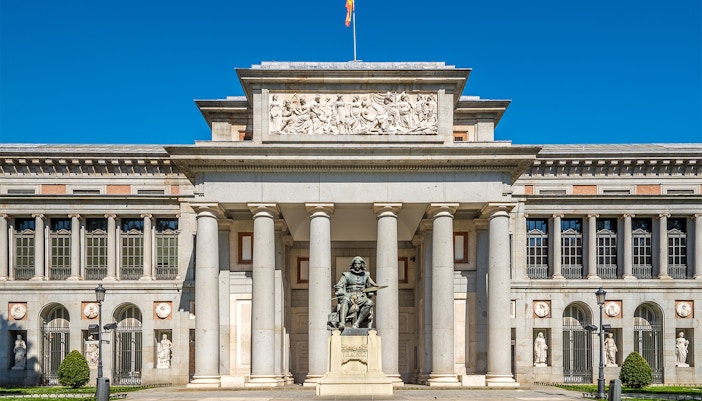
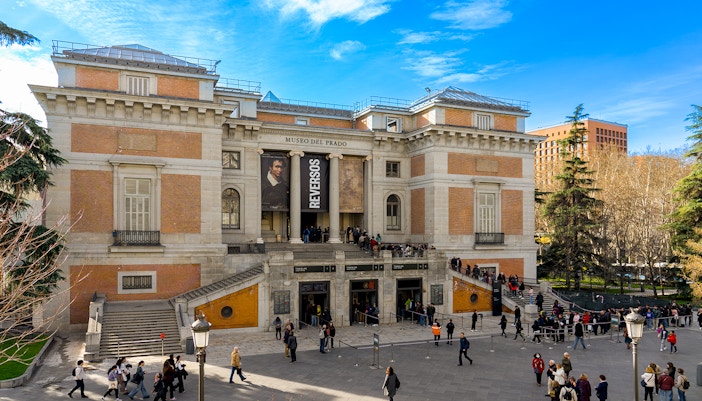
- Best entrance: Jerónimos or Goya entrance, then follow the museum signage to Goya’s late works
- Where inside: Ground-floor Goya rooms within the Villanueva building
- Direct access: No separate entrance exists; once inside, you can go straight there instead of following a fixed route
- Wheelchair access: The Prado Museum and Goya rooms are wheelchair accessible
- Route support: Ramps, platforms, and elevators are available across the museum
- Accessible tools: Accessible maps and audio signage are available
- Hearing support: Hearing loops are installed in the auditorium and counters
- Additional help: Guide dogs are welcome, and wheelchairs can be loaned free of charge on request
- Photography: Photography and videography are prohibited throughout the museum
- Food and drink: Not allowed inside the galleries
- Bags and outerwear: Items you can’t carry inside must go to the free cloakroom, subject to capacity
- Tripods and sticks: Tripods, selfie sticks, and flash photography are prohibited
- Room access: Some galleries may close at the authorities’ discretion without advance notice
Frequently asked questions about Goya's Black Paintings
Yes. Entry to the Black Paintings is included with every valid Prado Museum ticket. No separate ticket exists.
No. Any Prado ticket gets you in. Audio guide tickets and guided tours simply give you more context once you’re there.
No. The paintings have no independent entrance and can only be seen after entering the Prado Museum.
Usually midway on a Prado highlights route. If they’re your priority, you can head to the Goya rooms directly after entry.
Plan 20–30 minutes on your own, or 30–40 minutes with an audio guide or guide. The room rewards slow comparison, not a quick pass.
Sometimes, but not always as a dedicated stop. Guided tours include Prado entry, yet exact time in the Goya rooms depends on route and guide.
Yes. Photography and video are prohibited throughout the Prado Museum, including the Goya rooms.
Yes. The Prado Museum is wheelchair accessible, and elevators and ramps make the Goya rooms reachable for visitors with reduced mobility.
If you have time for only one, start with Saturn Devouring His Son. Then stay for The Dog, which changes the mood of the whole room.
Yes. Audio guide tickets offer physical or digital commentary in 13 languages, useful if you want to linger in the Goya rooms independently.