Walk through the halls and you’ll notice the influence of Mudéjar design, where Islamic geometric patterns and delicate ornamentation soften the fortress’s stone backbone.
Segovia Alcazar: See the fairytale castle that inspired Walt Disney
If you’ve ever doodled a castle that looked straight out of a storybook, chances are you were subconsciously sketching the Alcázar of Segovia. Perched dramatically on a rocky hill where two rivers meet, this turreted beauty is Spain’s most cinematic fortress.
What’s to see inside the Alcazar of Segovia?
1/5
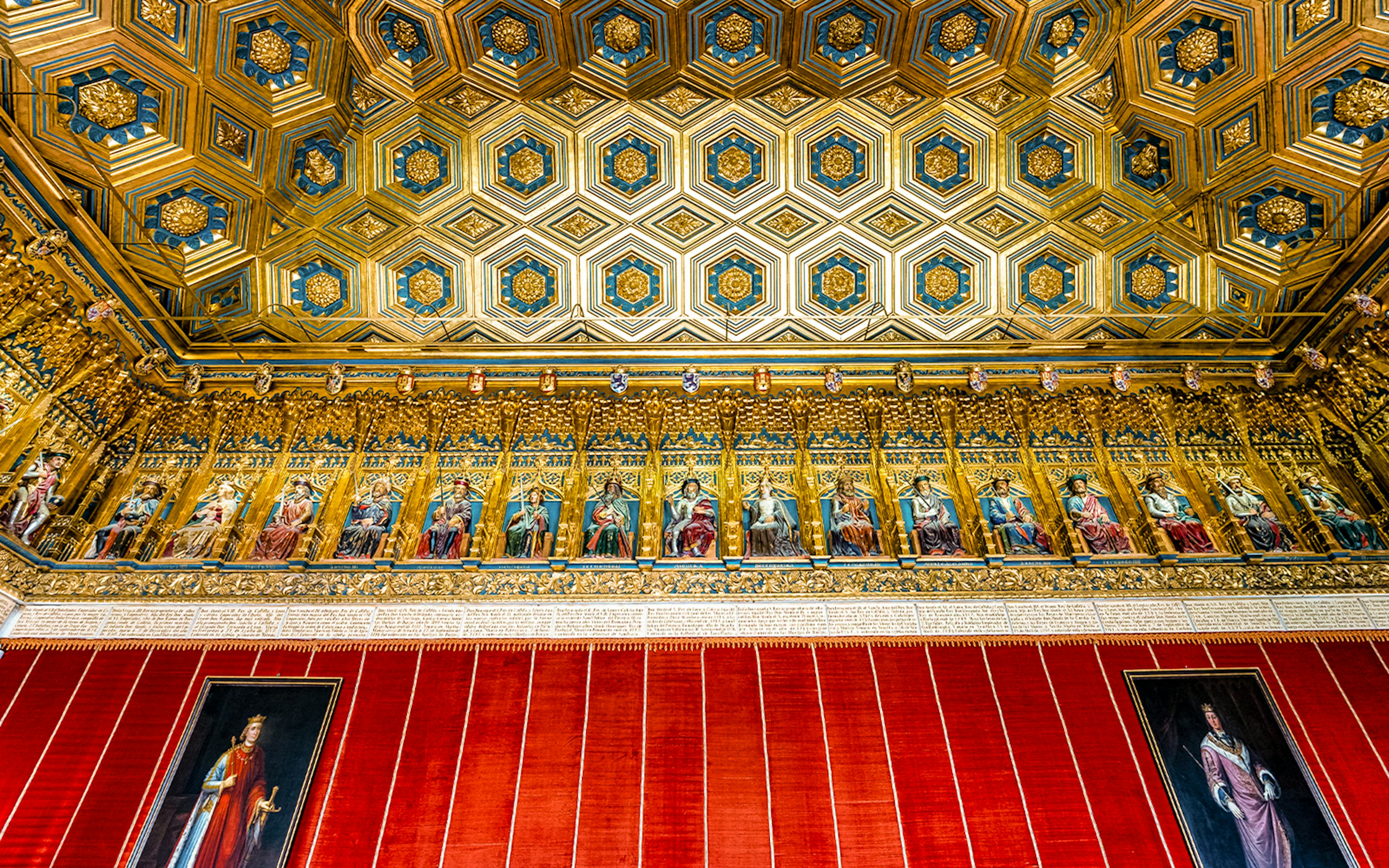
Hall of Kings
This jaw-dropping gallery features a wooden coffered ceiling lined with 52 carved monarchs, each immortalized in vibrant color. It’s like walking under a medieval family album, except with more crowns and scepters. The hall was designed to assert dynastic power, and today it still radiates authority, reminding you just how much Spain’s monarchs shaped European history.
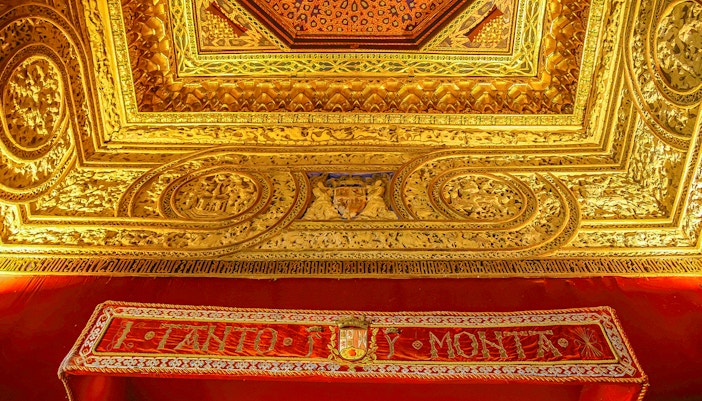
Throne Room
Step into a world steeped in gold. The Throne Room dazzles with gilded ceilings, rich tapestries, and elaborate heraldic motifs that symbolize royal might. Imagine 15th-century royalty, Isabella and Ferdinand, presiding here, making decisions that would launch explorers like Columbus across the Atlantic.
The Armoury
The Armoury showcases weapons, armor, and war machines spanning centuries. From intricately crafted swords to knightly suits of armor, the exhibits highlight both the artistry and brutality of medieval warfare.
Tower of John II
Climbing 152 narrow, spiraling steps may test your stamina, but the reward is pure magic. From the top, you can see Segovia sprawl below, with the Gothic cathedral and Roman aqueduct in view, framed by the Guadarrama mountains. The Alcázar’s pointed turrets make the skyline look straight out of a fairy tale.
Exhibits
As you wander, you’ll encounter curated displays of royal regalia, ancient artifacts, and religious relics that trace the Alcázar’s transformation from a fortress to a palace, and finally a museum. These exhibits ground the grandeur in real history, linking the fortress to events like Queen Isabella I’s marriage and her patronage of Columbus’s voyage, moments that shaped the world beyond Segovia’s walls.
Architectural details of Segovia’s Alcázar
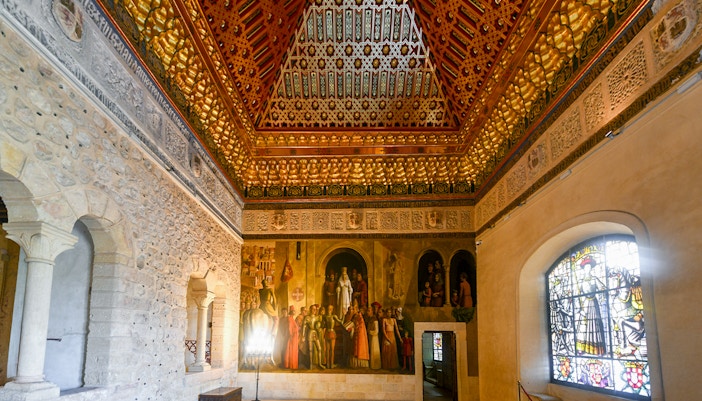
Mudéjar artistry
Vaulted ceilings and arches
From ribbed Gothic vaults to sweeping arches, the structural details inside the Alcázar combine practicality with grace. These elements were engineered to hold the weight of centuries while creating interiors that soar with lightness and rhythm.
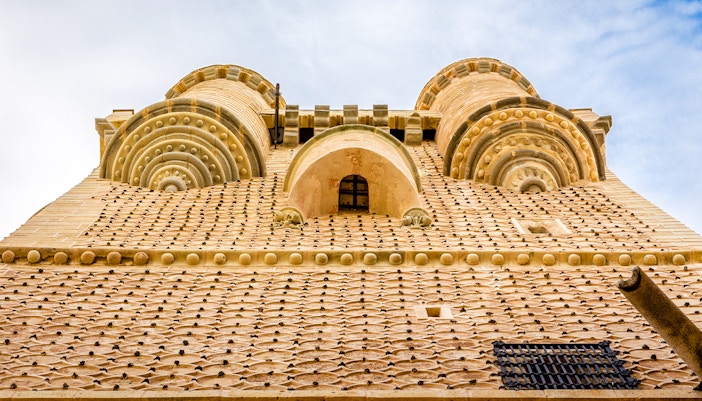
Carved stonework
Doorways, fireplaces, and window frames here are dressed in elaborate stone carvings of floral motifs, heraldic symbols, and geometric shapes, all loaded with meaning.
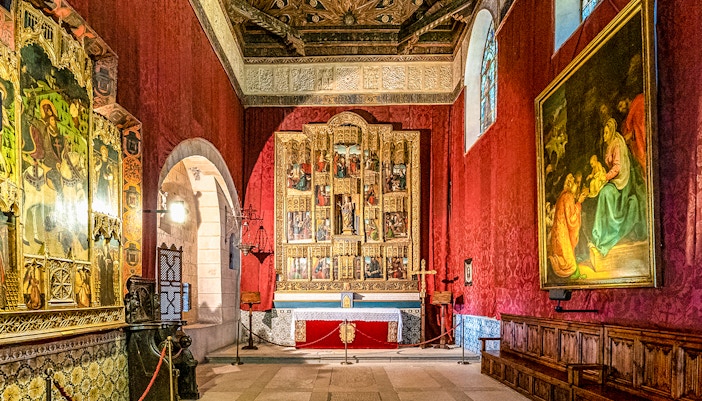
Frescoes
Frescoes line several chambers, blending storytelling with splendor. Scenes of royal life and religious devotion add color to otherwise austere stone, pulling you straight into the world of Castilian nobility.
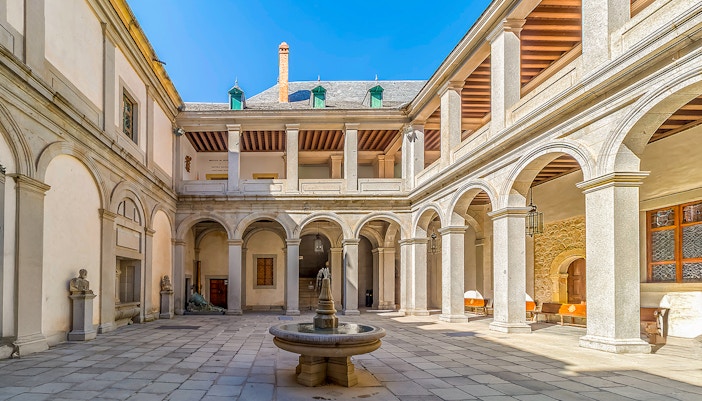
Courtyards and symmetry
The Alcázar’s courtyards transform open spaces into architectural poetry, showing off graceful arcades, symmetrical layouts, and ornamental facades. They were once used for ceremonies, gatherings, and framed the daily palatial life.
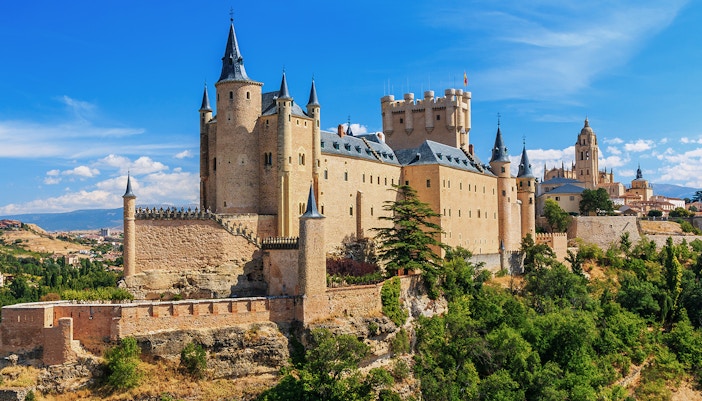
Shape of a ship
Perhaps the Alcázar’s most distinctive feature is its ship-like silhouette. With its sharp prow-like base jutting over the confluence of two rivers and turrets rising like masts, the fortress looks ready to set sail into history.
Historical and cultural significance of the Alcázar
From royal residence to military academy, the Alcázar has worn many hats (or should we say crowns?). It was here Queen Isabella I received Christopher Columbus before his famous voyage that changed the course of history. Centuries later, Spain’s artillery corps used it as their training ground, marking its shift from royal seat to military stronghold.
As you walk its corridors, you sense the enduring spirit of past generations. This historical haven has experienced periods of flourishing art, political significance, and architectural reinvention that continue to shape its character. From its medieval beginnings to its royal prominence, each era contributed layers to its intriguing story. Today, it remains a cultural icon of Castile and León, embodying centuries of Spanish power, politics, and pageantry.
Key events
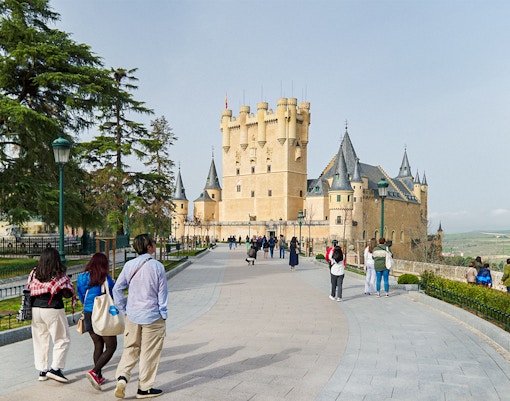
The Alcazar began as a modest fortress in the early medieval period, gradually expanding as local lords fortified their power. Its construction utilized locally sourced stone and ingenuity that allowed defensive structures to transform into regal dwellings, reflecting evolving architectural techniques over time.
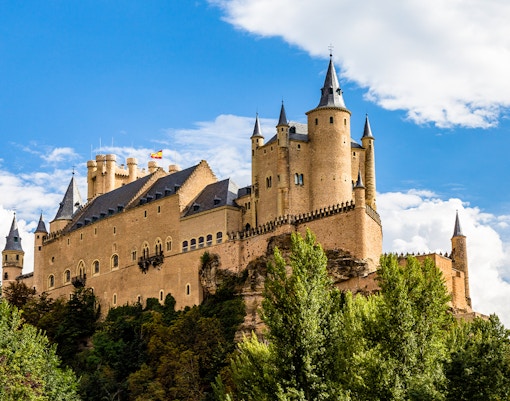
Initial structures gave way to expansions by nobility who recognized its strategic importance, leading to successive modifications that blended military functionality with emerging artistic design., This gradual shift marked its transformation from fortress to royal residence.
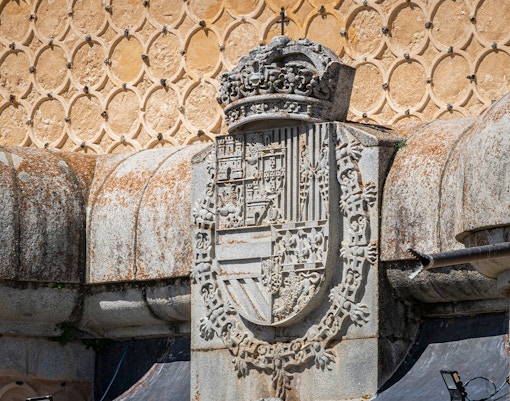
As centuries passed, the Alcazar absorbed influences from different ruling families, each contributing innovative construction techniques and decorative elements. These transformations elevated its historical status and intertwined the region’s cultural narrative with its architectural growth.
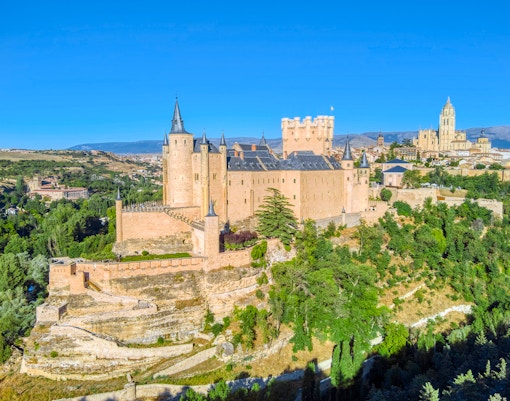
The fortress witnessed significant sieges and diplomatic meetings that altered the balance of power locally. Several restoration phases helped repair battle scars while updating its facilities, preserving its legacy even after numerous conflicts.
Know before you go
- Location: Pl. Reina Victoria Eugenia, s/n, 40003 Segovia, Spain (Map)
- Nearest attraction: Segovia Cathedral (10-minute walk away)
- Timings: 10am - 6pm (winter); 10am - 8pm (summer)
- Closed on: December 25 and January 1
- Last entry: 30 mins before closing
- Accessibility: The palace interiors are partially accessible, but the tower climb (152 steps) is not suitable for wheelchairs, strollers, or those with mobility issues.
- Facilities: Restrooms and a gift shop
- Time your visit wisely. Mornings and late afternoons are quieter, offering fewer crowds and softer light for photos.
- Set aside at least 1.5-2 hours to explore the Alcázar fully, and add extra if you plan to climb the tower.
- The climb to the Tower of John II is steep and narrow. Comfortable, non-slip shoes are your best friend here.
- Photos are allowed, but tripods and flash are restricted to protect the frescoes and artifacts.
- In summer, expect longer lines and hotter interiors; bring water, sunhats, and sunscreen. In winter, dress warmly, as the stone halls can be chilly.
- Combine the Alcázar with the nearby Segovia Cathedral and Aqueduct for the ultimate “golden triangle” of Segovia sightseeing. If you want to ditch the planning, book Madrid to Segovia day trips.
- The Alcázar occasionally hosts temporary exhibitions; check the schedule on the Alcazar website.
Frequently asked questions about the Alcazar of Segovia
Yes, kids love the turrets and armor displays. Just keep an eye on them in the tower climb.
No strict code, but comfy shoes are a must for the cobblestones and stairs.
No, food and drinks are not allowed inside the halls. There are cafés and restaurants nearby in Segovia’s old town.
Strollers are not allowed inside. It’s best to use a baby carrier if traveling with young children.
There is no parking directly at the castle. Paid parking is available in Segovia’s old town, about a 10-minute walk away.
