The city comes alive with festivals, blooming gardens, and mild days perfect for wall walks and café-hopping.
Best time to visit Ávila
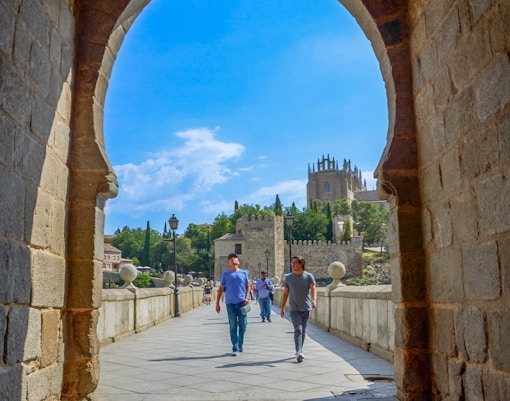
Spring (April–June)
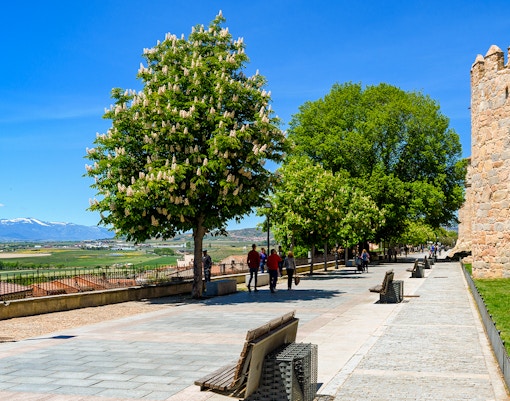
Summer (July–August)
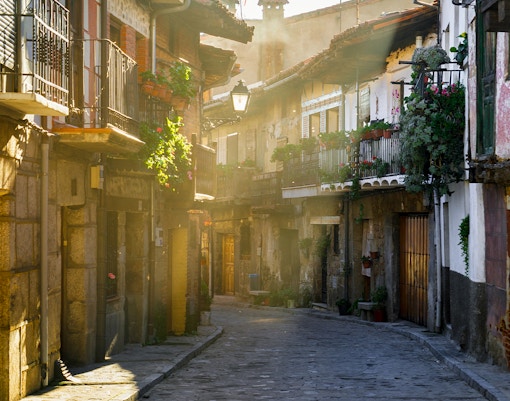
Autumn (September–October)
Imagine walking through streets still hugged by mighty stone walls, climbing towers that have stood guard for centuries, and ducking into chapels where saints once prayed. Life here unfolds slowly: locals linger over long lunches, plazas glow golden at sunset, and the city hums with a quiet dignity that makes you feel like you’ve stepped into a living history book. This guide covers everything you need to plan your visit to Ávila, from practical tips to mouthwatering must-tries dishes.
There’s no bad season to explore Ávila; it just depends on your vibe.Spring (April–June)
The city comes alive with festivals, blooming gardens, and mild days perfect for wall walks and café-hopping.
Expect hot weather and lively streets. Festivals like Medieval Ávila bring costumed parades and market stalls.
Cooler days, fewer tourists, and that golden Castilian light on the sandstone walls make autumn the sweet spot.
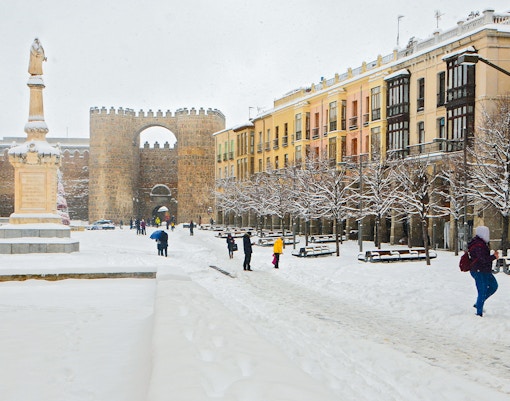
Wrap up warm, because nights can be icy. But the snowy Sierra de Gredos mountains in the backdrop and cozy taverns make it feel storybook-perfect.
Perched high on a plateau, more than 1,130 meters above sea level, Ávila is Spain’s highest provincial capital. The city rises like a fortress against the horizon, with its medieval walls crowning the skyline. Just over an hour from Madrid, it’s both accessible and atmospheric.
Ávila might look like a medieval stronghold, but reaching it is refreshingly easy:

The Renfe regional trains get you from Madrid to Ávila in about 1.5 hours. The ride is comfortable, affordable, and scenic; you’ll pass rolling Castilian countryside dotted with stone villages.

Buses from Estación Sur in Madrid take about 1 hour and 30 minutes. They run frequently and drop you closer to Ávila’s historic center than the train does.

Driving takes just over an hour via the A-6 and AP-51 highways. It’s perfect if you want to explore nearby gems like the Sierra de Gredos or El Escorial on the same trip.

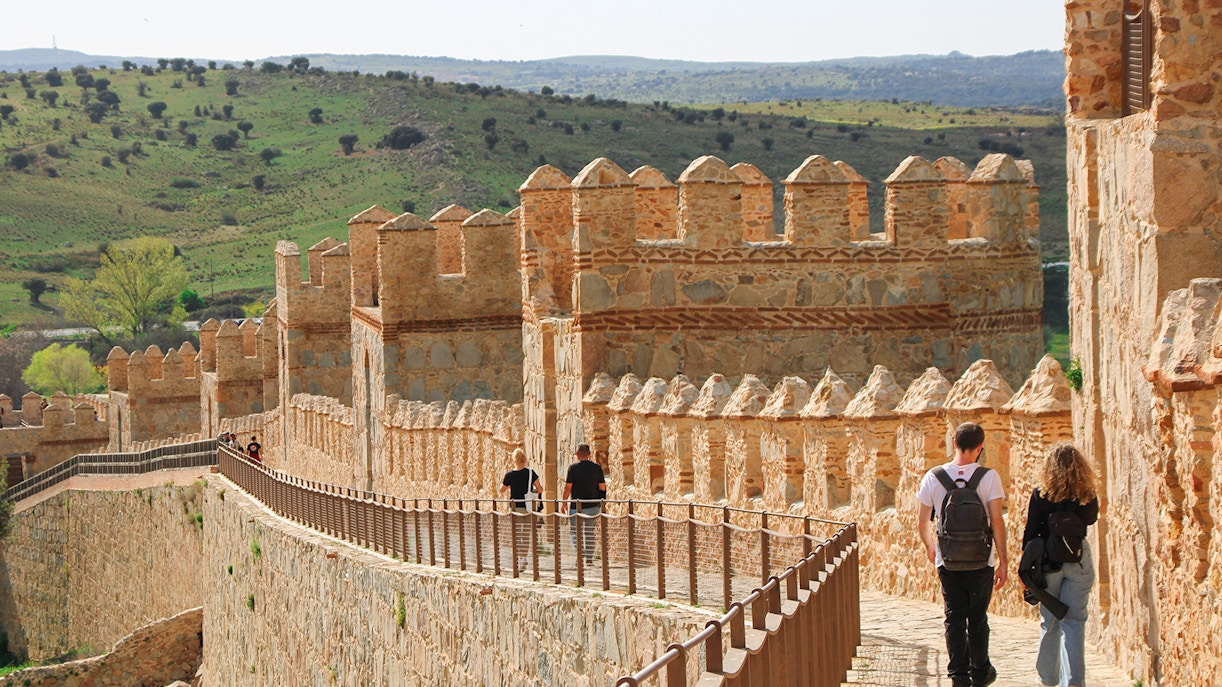
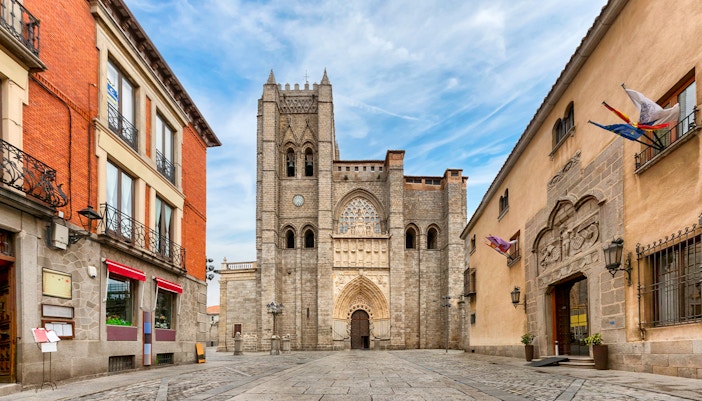
See the city walls, the Cathedral, and grab a box of yemas to-go.
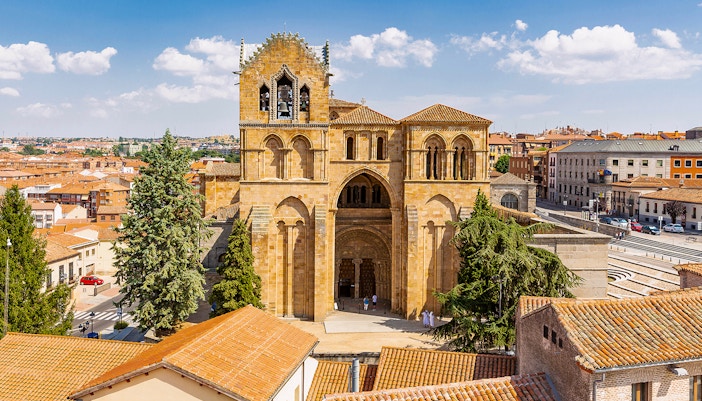
Add in a walk along the walls, the Basilica of San Vicente, and a relaxed lunch.
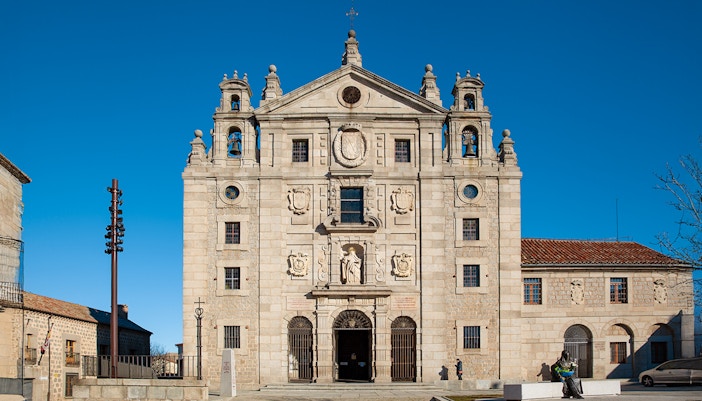
Explore the Monastery of Saint Teresa, museums, and hidden plazas, then enjoy a slow dinner before heading back.
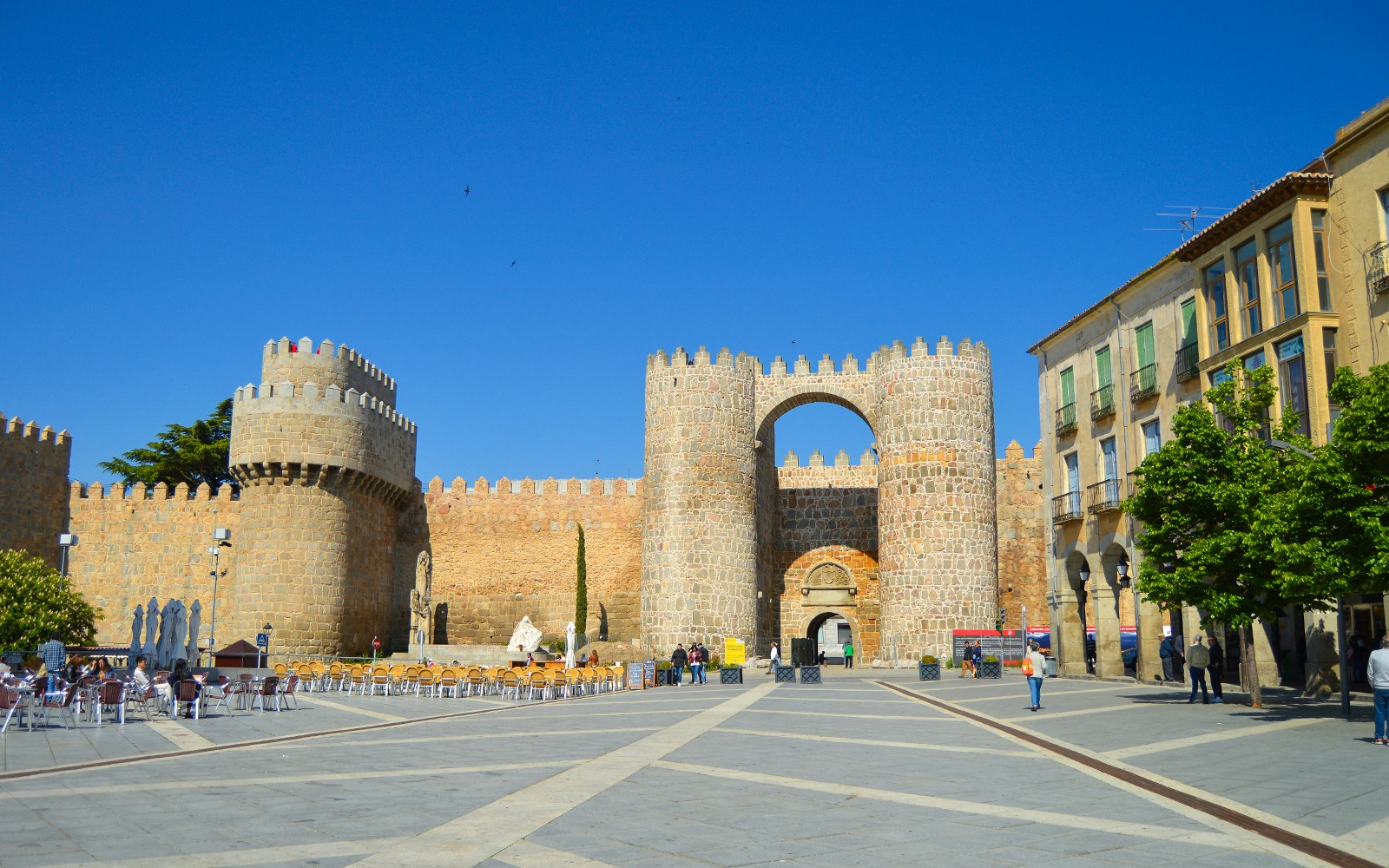

Start at Puerta del Alcázar, the most striking city gate, then climb the walls for panoramic views.
Wander into the Plaza del Mercado Chico for tapas or lunch, soaking up the local rhythm.
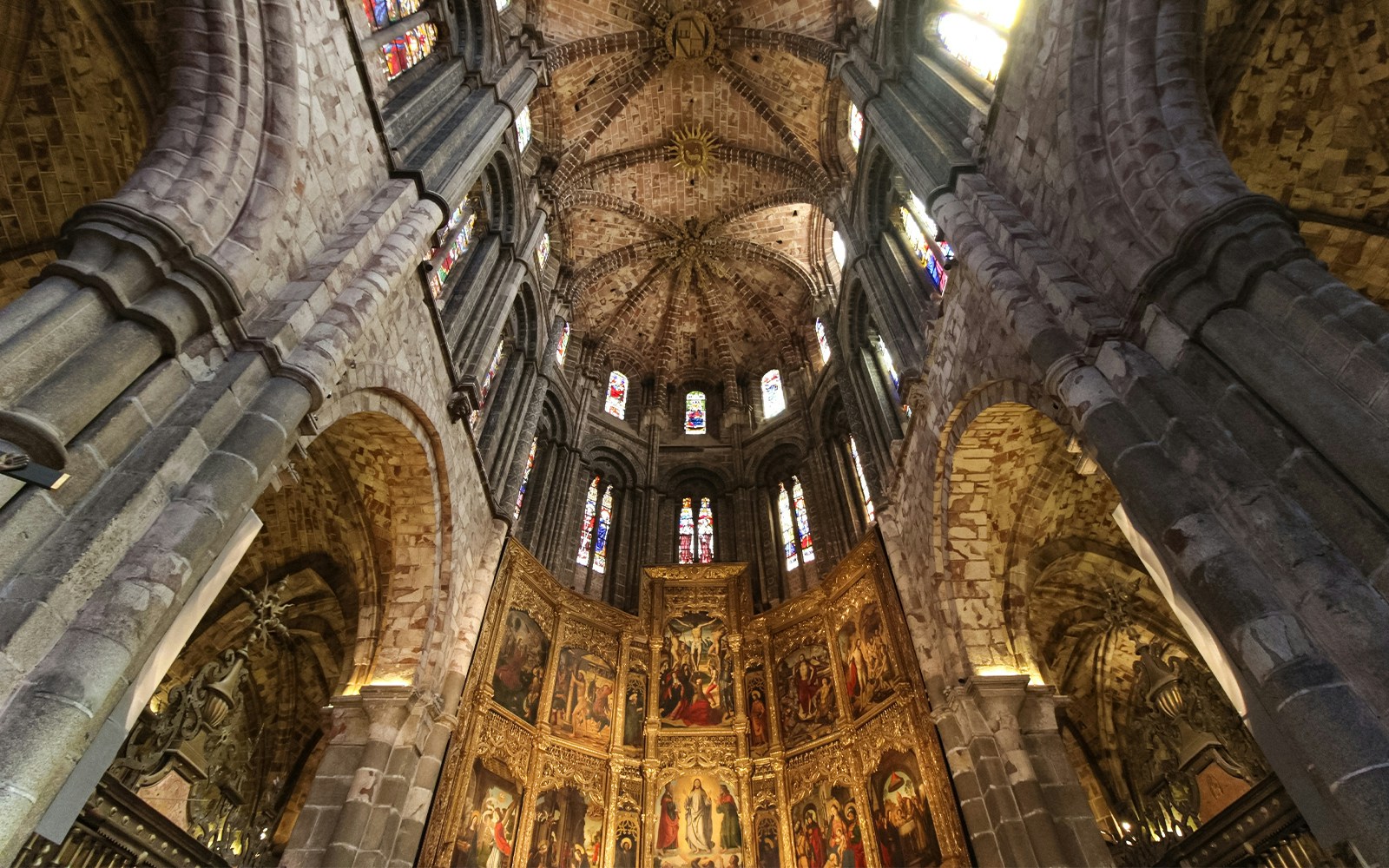
Step into the Gothic Cathedral, part church, part fortress, then visit the Convent of Saint Teresa.
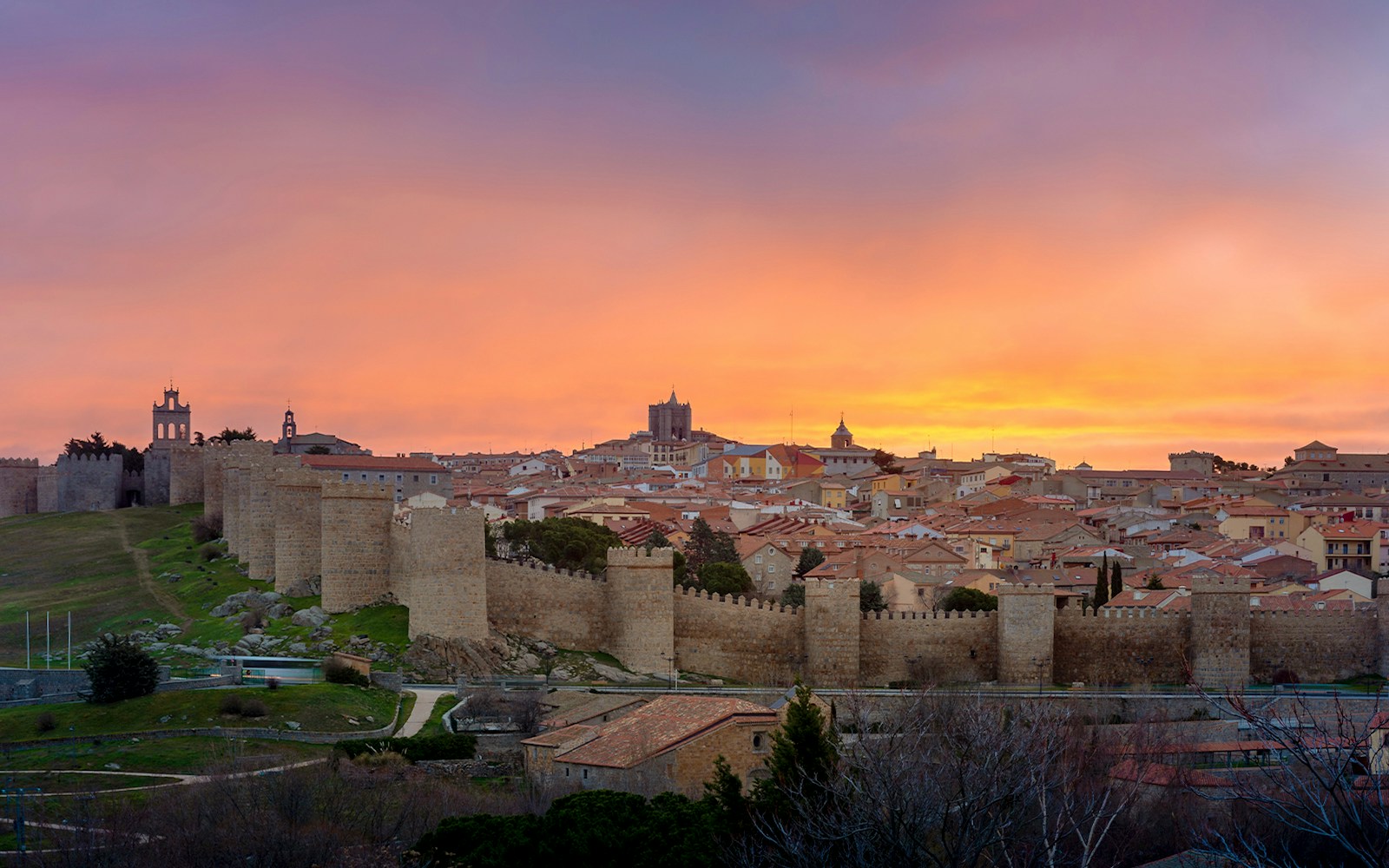
Catch the sunset from Los Cuatro Postes viewpoint, then enjoy a hearty Castilian dinner before returning to Madrid.
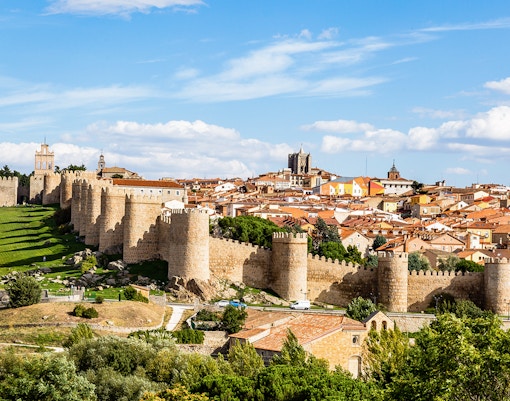
March along the legendary ramparts that once guarded the city, with panoramic views that make you feel part of history.
Timings: Open daily, 10am – 8pm (summer); 10am – 6pm (winter)
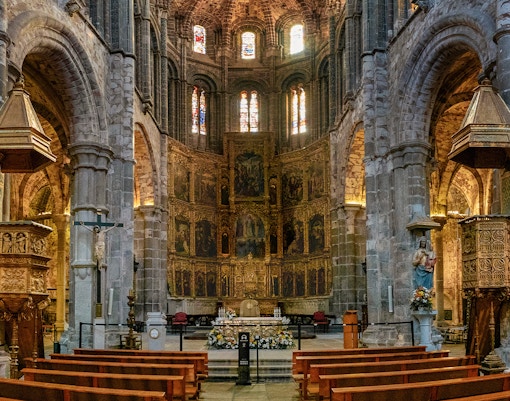
A striking blend of fortress and Gothic artistry, its soaring interiors and stonework reveal the city’s spiritual soul.
Timings: 10am – 8pm (closed midday 1–4pm)
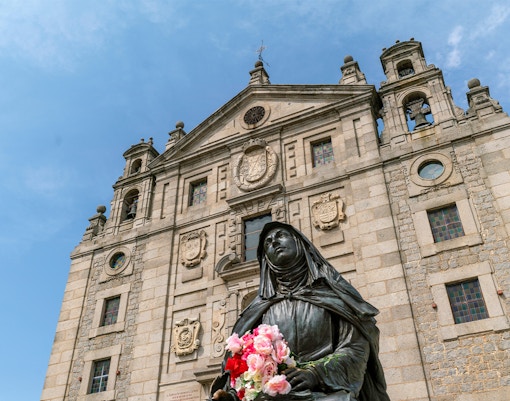
Built over the birthplace of Saint Teresa, this serene convent is a living tribute to one of Spain’s most beloved saints.
Timings: 9:30am – 1pm, 4–7pm
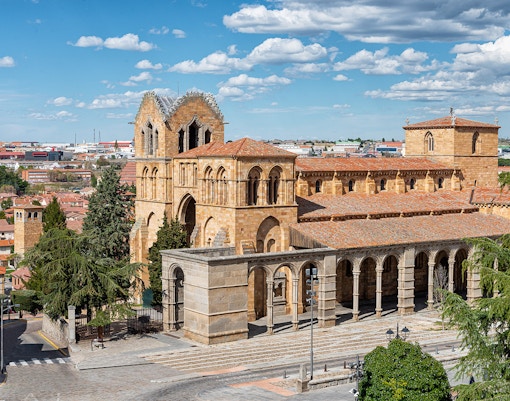
An awe-inspiring Romanesque masterpiece, its carvings and legends whisper tales of Ávila’s medieval past.
Timings: 10am – 1:30pm, 4–7pm
Yes! Boutique hotels and parador stays inside historic buildings let you enjoy the city walls glowing under moonlight, long after the day-trippers leave.
Walking is best, the old town is compact and atmospheric. For longer distances, taxis are readily available.
Definitely. The Medieval Festival (first weekend of September) transforms Ávila into a living history fair with jousts, markets, and costumed parades.
Pick up yemas de Santa Teresa, handwoven textiles, or pottery with traditional Castilian designs.
Yes—Ávila is very safe, day and night. Just be mindful in busy plazas and train stations, like anywhere else.

From Madrid: Segovia & Ávila Full-Day Trip
From Madrid: Ávila & Salamanca Full Day Trip