What to see inside Liria Palace

A library that would make anyone jealous

The palace’s iconic library is a literary fortress stacked with 18,000 volumes. You’re walking through the pages of European history, with the scent of aged parchment in the air. First editions? Check. Royal letters? Absolutely. Columbus’s handwriting? Yes, that’s here too.

Walls that could start an art war

Liria’s art collection reads like a VIP guest list: Goya, Rubens, El Greco, and Velázquez casually hanging in the halls. Forget white walls and spotlights—here, masterpieces share space with chandeliers, velvet sofas, and a level of elegance that whispers, “Please try not to faint.”

A staircase made for dramatic entrances
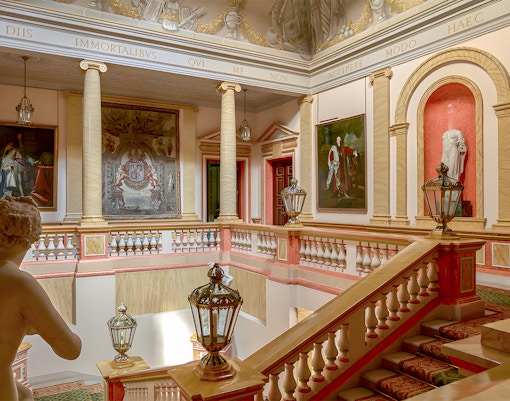
This curvy marble marvel doesn’t just connect floors—it commands attention. With classical sculptures watching your every move, you might feel tempted to throw on a cape and descend like you own the place. No judgment, as we’d do it too.

A chapel you’d gladly visit again
Small but stunning, the private chapel is pure visual poetry. Think gold detailing, sacred art, and a hush that makes even the marble floors feel reverent. It’s the kind of place that makes you speak in a whisper without really knowing why.

Salons straight out of a period drama

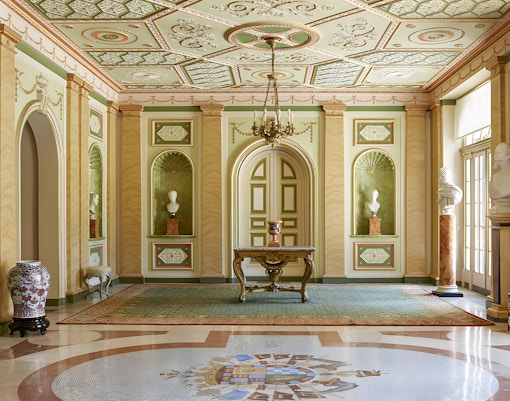
Velvet chairs, silk walls, and chandeliers with more sparkle than a royal tiara. Each room is a masterclass in how the aristocratic lived—dining rooms that hosted royalty, parlors made for plotting, and enough decorative flair to make Versailles do a double-take.

Brief history of Liria Palace

Built in the late 18th century for the Duke of Berwick and Liria, the Liria Palace in Madrid, Spain, has survived wars, fires, and the test of time with flair. In 1936, during the Spanish Civil War, the palace was nearly reduced to rubble. But like a true royal, it bounced back, rebuilt, and became more fabulous than ever. Today, it’s the official residence of the House of Alba, one of Spain’s most prominent noble families.

Plan your visit to Liria Palace

Who built Liria Palace? 

The brains behind this baroque beauty is none other than French architect Louis Guilbert. He brought Versailles-style to Madrid, mixing neoclassical elegance with just the right amount of aristocratic bling. Think symmetrical facades, columned porticos, and interiors dripping in Rococo opulence. Originally constructed in the 1760s, the palace was left in ruins after a devastating fire during the Civil War. Spanish architect Manuel Cabanyes oversaw its reconstruction in the 1950s, keeping its old-school elegance intact. You'll find stately salons, marble staircases, and ceilings that could give the Sistine Chapel a run for its money.

More about Liria Palace interiors

Frequently asked questions about Liria Palace

Yes, you can, but the tour will include a digital audio guide so that you can have a seamless tour with someone explaining the epic backstories anyway.

Read more